Your sales team makes 50 cold calls a day. A properly configured AI SDR makes 1,000. That isn't a vendor claim. It's what we see across 5 million AI-powered sales calls on the TopCalls platform, and it's why the ai sdr vs junior sdr roi question has a definitive answer now, not a theoretical one.
The fully loaded cost of a junior SDR hire in 2026 runs $98,000 to $173,000 in year one. If you're paying that rate for prospecting work an AI system does at $200 to $350 per qualified meeting, you need to see the math. This article breaks it down: real cost structures, side-by-side ROI, where AI wins without debate, and where a human SDR still earns the paycheck.
Key Takeaways
- A junior SDR hire costs $98,000 to $173,000 fully loaded in year one, while TopCalls AI calling is priced at $0.35 per minute.
- Cost-per-qualified-meeting runs $800 to $1,200 for a junior SDR versus $200 to $350 for an AI SDR on the TopCalls platform.
- An AI SDR contacts 1,000-plus prospects per day, where one human SDR contacts 30 to 50, changing top-of-funnel volume entirely.
- AI-driven outbound on the TopCalls platform averages a 60-percent-plus connect rate, against the 20 to 30 percent typical of manual dialers.
- TopCalls answers a web form submission in under 30 seconds and runs at sub-500ms voice latency, versus the 2 to 4 hour human callback average.
- Junior SDRs need 5 to 8 months to ramp, while a TopCalls AI voice agent is live in 15 minutes and calling at full capacity from hour one.
1. What a Junior SDR Actually Costs in 2026
The base salary looks manageable. Junior SDRs earn $45,000 to $65,000 depending on market. It's everything layered on top that makes the real number sting.
- Base + OTE: $60,000 to $90,000 total cash compensation
- Benefits and payroll taxes: 30-40% on top of comp ($18,000 to $36,000)
- Sales tools: dialer, CRM seat, sequencing platform, data enrichment ($3,000 to $8,000/year)
- Recruiting and onboarding: $8,000 to $15,000 one-time (agency fees, interview time, equipment setup)
- Ramp time: 5 to 8 months at 30-40% of quota, plus 40% of manager capacity during onboarding
- Total fully loaded, year one: $98,000 to $173,000

The ramp period is the cost nobody talks about when justifying the hire. Most junior SDRs take 5 to 8 months to hit full productivity. You're paying full salary and benefits throughout while they're generating 30-40% of their quota. Six months before the hire is cash-flow positive isn't unusual. It's normal.
2. What an AI SDR Costs
AI SDR platforms price in one of two ways. Flat monthly subscription runs $500 to $2,000 per month. Usage-based pricing, which is what TopCalls uses, runs $0.35 per minute of call time. No seats. No benefits overhead. No ramp period.
Run the math on a realistic volume. 2,000 minutes of AI calls per week at $0.35 per minute is $700 per week, around $2,800 per month. That's roughly one week of a junior SDR's gross salary. The AI voice agent is live in 15 minutes and calling at full capacity from hour one.
Setup takes real time. You'll spend a few hours building call scripts, configuring the AI persona, and connecting it to your CRM. That's hours, not months. And unlike a hire, you can pause or scale down immediately if pipeline priorities shift.
3. The ROI Math, Side by Side
Concrete scenario. $25,000 ACV. 20% meeting-to-close rate. Target: 15 qualified meetings per month.
Junior SDR, fully loaded at $120,000 per year. Generating 15 meetings per month, 20% close rate, $25,000 ACV: that's $900,000 ARR annually from those meetings. ROI on the hire: 650%. Not bad, assuming the hire works out.
Now run the same scenario with AI calling at $3,500 per month. Same 15 meetings. Same close rate. Same ACV. $900,000 ARR on $42,000 in annual AI call costs. ROI: 2,043%. And here's the difference that matters most: scaling from 15 meetings to 40 per month doesn't require another hire. It requires more call minutes.
The scaling advantage compounds fast. An SDR team of 5 generating 75 qualified meetings per month runs you $600,000 annually, fully loaded. The same meeting volume from AI costs under $105,000 per year. Add AI calling to that same 5-person SDR team and they're suddenly booking 300 to 375 meetings per month, not 75, because the AI handles the cold volume and the humans focus on warm conversations.
The cost-per-meeting gap is where the AI SDR ROI breakdown becomes hard to ignore:
- Junior SDR: $800 to $1,200 per qualified meeting (annual salary divided by meetings generated)
- AI SDR: $200 to $350 per qualified meeting (call costs divided by meetings generated)
Across 5M+ AI calls on our platform, cost-per-meeting holds steady regardless of volume. Human SDR productivity doesn't scale the same way. You can't push one SDR from 15 meetings to 40 per month without burning them out. Want to run this scenario with your own numbers? The AI calling ROI calculator takes two minutes.
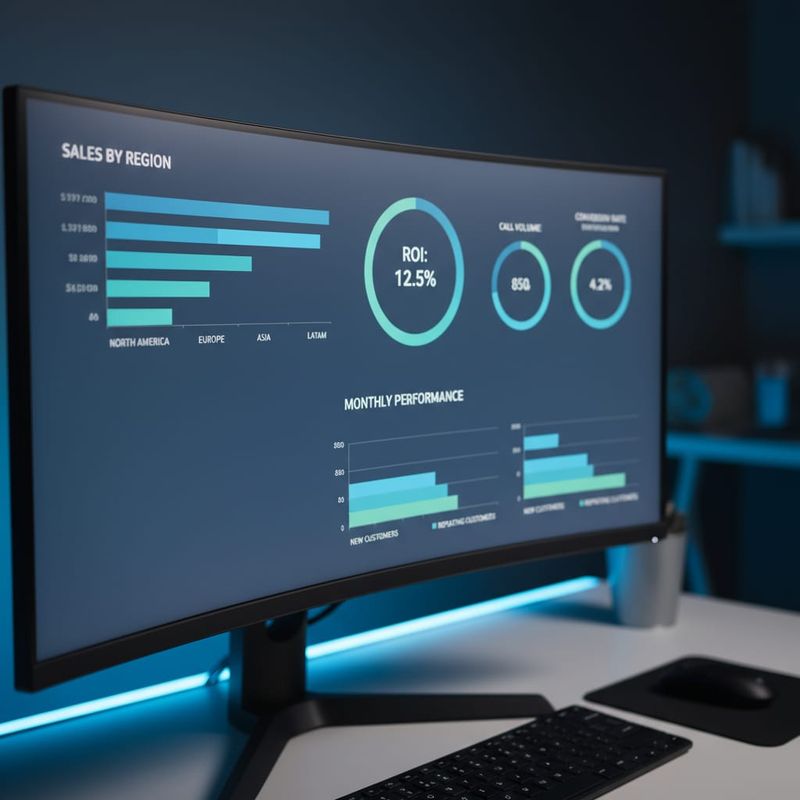
One more number worth flagging: AI-driven outbound campaigns on our platform average a 60%+ call connect rate. Manual dialers typically hit 20-30%. That's not just a productivity improvement. It changes the entire cost-per-contact calculation before you even get to meetings.
4. Where AI Wins Outright
Some use cases aren't close. For high-volume, first-touch outreach, the AI SDR vs hiring SDR cost comparison tips heavily toward AI.
- High-volume lead lists: AI contacts 1,000+ prospects per day. One SDR contacts 30-50. If your top-of-funnel depends on volume, one AI system replaces the cold-prospecting work of 20 human callers.
- Speed to lead: AI calls back a web form submission in under 30 seconds. Human SDRs average 2 to 4 hours. Prospects called within the first minute are 100x more likely to engage than those who wait 30 minutes.
- Off-hours coverage: AI calls 24/7 at the same $0.35/min rate. Adding night-shift human SDRs more than doubles your payroll. No overtime, no burnout, no holiday coverage gaps.
- Reactivation campaigns: AI agents running customer reactivation sequences work through dormant lists at scale without the morale hit of having humans cold-call people who haven't engaged in 18 months.
Speed to lead deserves its own emphasis. A prospect who submits a form at 11:47 PM and gets a call at 11:47:28 PM is in a completely different mental state than one who waits until a rep starts their shift at 9 AM. That 8-hour gap is where deals go cold. AI closes it by default.
Voice quality is the other concern people raise. Modern AI calling platforms use sub-500ms voice response latency. TopCalls averages under 400ms. In a phone conversation, that's indistinguishable from a natural conversational pause. Most prospects don't know they're talking to AI until the agent identifies itself.
5. Where the Junior SDR Still Makes Sense
AI calling isn't the right answer for every situation. There are real scenarios where a junior SDR delivers value a script-driven system can't match.
- Complex enterprise deals ($100K+ ACV): Buyers doing 6-figure decisions want a human who can adapt to unexpected questions, navigate org charts live, and read the room on a 45-minute discovery call.
- Relationship-heavy verticals: Real estate, private equity, legal, financial planning. In these industries, the person is part of the product. Buyers aren't just buying the service; they're buying trust in the individual.
- Building a talent pipeline: If you're grooming future AEs internally, the SDR role builds the skills you need. Some companies hire SDRs specifically to develop the next generation of account executives.
- Inbound leads with deep product questions: Prospects already sold on the category and comparing specific features need real-time back-and-forth that goes off script fast.
If your average ACV is above $75,000 and your sales cycle involves 3 or more stakeholders, don't replace your SDR team with AI. Use AI to handle top-of-funnel prospecting volume, and let your SDRs own the discovery and qualification calls. Our sales acceleration solution is designed exactly for this kind of hybrid setup.
6. The Hybrid Model: What We See from 5M+ Calls
The question isn't AI or SDRs. It's how to position each where they're strongest.
Teams that added AI calling to an existing SDR structure saw meeting volume increase 3 to 5 times within the first 60 days of launch. Their SDRs didn't lose work. They stopped spending 4 hours a day on cold prospecting dials and started spending that time on warmer conversations. The job changed. The headcount didn't.
The practical structure: AI runs outbound prospecting and first-touch qualification, books meetings directly into SDR calendars. SDRs run those meetings and own the path to close. AI handles volume; SDRs handle nuance.
SDRs who spent their days making 300 cold dials and now run 25 warmer conversations per day don't complain about the switch. The 300-dial cold-call grind has a 90%+ annual turnover rate in most sales orgs. The hybrid structure keeps people around longer, which cuts recruiting costs further and compounds the ROI.

We covered how this plays out across different B2B verticals in our breakdown of how AI voice agents are reshaping B2B sales. The pattern holds whether you're selling SaaS, services, or physical goods.
7. How to Make the Case Internally
The ROI math is straightforward. Getting buy-in from a sales leader who just hired two SDRs last quarter is trickier. Here's what actually works.
Run a 30-day pilot on one segment. One lead list, one script, one campaign. Measure cost-per-meeting against your existing SDR baseline. Real numbers from your own pipeline are worth 10 benchmark studies. A 30-day pilot at $0.35 per minute costs under $3,000 and produces data you can take to the CFO.
For a detailed breakdown of SDR cost structures by role seniority, read the real cost of an SDR vs. an AI sales agent. For conversion rate data comparing AI calling against other outbound channels, AI sales calls vs. cold email conversion rates has the numbers your CFO will ask about.
If you want to model this against your current team setup before committing to anything, book a 15-minute strategy call. We'll pull benchmark data from teams in your vertical and build out a pilot scenario with real numbers.
Frequently Asked Questions
Get AI calling tips in your inbox
No spam. One email per week with actionable sales automation tips.