A patient calls your dental office to book a cleaning. Nobody picks up. They hang up, dial the practice two blocks over, and you never find out they tried.
About 35% of calls to a dental practice go unanswered, and most of those callers won't leave a voicemail. AI calling for dental practices closes that gap. An AI voice agent answers every call on the first ring, books appointments straight into your schedule, and runs the confirmation and recall calls your front desk never has time for.
Below is what it does, what it costs against a human answering service, and the HIPAA and TCPA rules you have to settle before the first call goes out.
Key Takeaways
- About 35% of calls to a dental practice go unanswered, and 78% of patients sent to voicemail hang up without leaving a message.
- A TopCalls AI voice agent answers in under half a second, books appointments during the call, and covers nights and weekends.
- Automated reminder calls cut dental no-show rates by about 23% compared to manual confirmation.
- TopCalls charges $0.35 per minute all-inclusive, covering the phone line, the AI, the voice, and the booking action.
- TopCalls agents run in 32 languages with regional accents, and HIPAA calls require a signed Business Associate Agreement first.
Why the Phone Is a Dental Practice's Biggest Leak
The math is brutal. The average dental practice loses more than $105,000 a year to missed and unfilled appointments, and every empty chair burns $200 to $400 in production that doesn't come back.
Calls are where it starts. When the front desk is mid-checkout or already on another line, the phone rings out. Roughly 78% of patients sent to voicemail hang up without leaving a message, and 87% of the ones who hit voicemail after hours never call back.
After-hours volume isn't a rounding error either. About 27% of calls to a dental office land outside opening hours, when there's nobody to book them.

Then there's the no-show problem. Industry no-show rates run 15% to 20% on average and climb past 30% at practices that don't confirm. A chair sitting empty at 2pm is revenue you can't earn back.
AI Calling for Dental Practices: What an AI Receptionist for a Dental Office Does
An AI voice agent is software that talks to your patients on the phone the way a trained front-desk coordinator would. It answers in under half a second, holds a real back-and-forth, and takes action while the patient is still on the line.
It isn't a phone tree. Nobody presses 1 for billing. The patient just talks, and the agent understands them, checks the calendar, and books, reschedules, or cancels in real time.
New patient booking: captures the name, insurance, and reason for the visit, then offers open slots that fit your scheduling rules.
Confirmations and reminders: calls ahead of every appointment so the chair doesn't sit empty.
Recall and reactivation: rings patients who are overdue for a six-month cleaning and gets them back on the books.
After-hours coverage: picks up nights, weekends, and holidays with no answering service in the loop.
Our AI voice agents run in 32 languages with regional accents, so a Spanish-speaking patient gets answered in Spanish without a transfer or a callback.
1. Answer Every Call, Day or Night
An AI agent doesn't take lunch, doesn't call in sick, and doesn't put a caller on hold to handle a walk-in. It picks up on the first ring, every time, across as many simultaneous calls as come in.
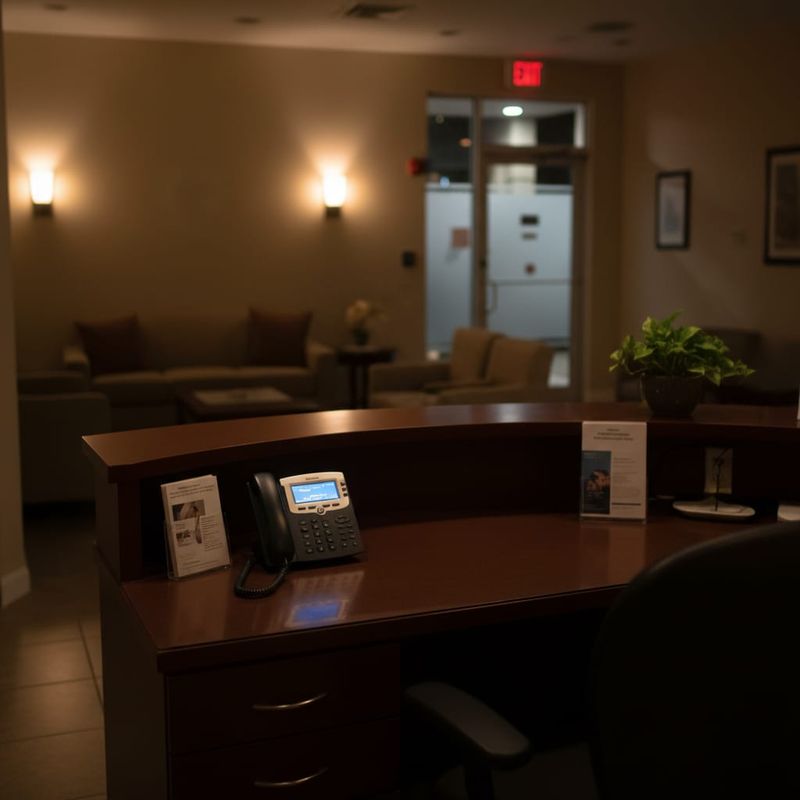
That gap hurts most after 5pm. If a quarter of your calls come in after hours and those callers won't leave a voicemail, you're handing bookings to whichever practice answers. An AI agent books that 9pm caller into a Tuesday slot while the competition's phone goes to a machine.
2. Book and Reschedule Appointments During the Call
The agent reads your live calendar and writes to it. When a patient asks for a Thursday morning, it offers the real open slots, books the one they pick, and sends the confirmation. No callback. No "let me check and get back to you."
It connects to the scheduling and practice-management tools you already run, so the booking lands where your team expects it. This is the same engine behind our dental appointment setting solution, tuned for rules like provider, operatory, and visit length.
If you want the mechanics, we broke down the full flow in our guide to building an AI appointment-setting system.
3. Cut No-Shows With Reminders and Recall Calls
A booked appointment isn't revenue until the patient shows up. Automated reminder calls cut no-show rates by about 23% compared to manual confirmation, and the AI makes every one of them.
Recall is the bigger win most practices skip. Thousands of patients are overdue for a cleaning right now, and nobody has time to call them. The AI works that list on a schedule, books the ones who answer, and flags the rest for follow-up.
Want to see what those empty chairs cost you? Run your numbers in our ROI calculator.
For timing and multi-touch sequences, our piece on automated follow-up calls covers how to space them so you reach people without nagging.
4. Triage Dental Emergencies the Right Way
Some calls can't wait for a booking. A patient with a knocked-out tooth or a swollen jaw needs a person, fast. A good AI agent listens for those cases, hears the urgency, and follows the protocol you set: give first-aid guidance, route to the on-call dentist, or connect a live line.
You write the rules. The agent never improvises clinical advice. It hands off the moment a call crosses the line you draw, which keeps both the patient and your license safe.
Is AI Calling for Dental Offices HIPAA Compliant?
It can be, and it has to be. The calls a dental AI handles touch protected health information, which makes the vendor running it a business associate under HIPAA. Get a signed Business Associate Agreement in place before a single live call.
TCPA is the other half. The FCC's 2024 ruling treats an AI-generated voice the same as a prerecorded call, so automated outbound calls to a patient's cell need prior express written consent. Calls a patient places to you are fine; it's the outbound recall and reminder campaigns where consent matters. Penalties run $500 to $1,500 per call, so this isn't a corner to cut.
Two habits keep you clean: disclose that the patient is speaking with an AI assistant, and disclose that the call is recorded. Our secure infrastructure handles consent tracking, encryption, and the audit trail. For the full picture, read our guide to HIPAA-compliant AI calling in healthcare.
What an AI Dental Receptionist Costs vs an Answering Service
A traditional dental answering service charges per minute or per call and does one thing: it takes a message. Your team still has to ring the patient back to actually book, so you're paying to capture a lead you then have to chase.
TopCalls runs at $0.35 a minute, all in. That covers the phone line, the AI, the voice, and the booking action. No Twilio bill, no separate AI fees, no per-seat license. The agent doesn't leave a message. It books the appointment.

Set that against a no-show that costs $200 to $400, or an after-hours caller who books with someone else, and a handful of saved appointments covers the month. The ROI calculator does the math for your call volume.
Where AI Calling Doesn't Fit
AI calling isn't the answer for every conversation. A nervous patient weighing a $9,000 implant case wants a person who can sit with the hesitation, not a fast, efficient agent. Complex treatment planning and insurance disputes still belong with your team.
Use the AI for what eats your front desk's day: booking, confirming, reminding, and recall. Send the high-stakes, high-emotion calls to humans. The point is to free your staff for those conversations, not to remove them.
How to Get Started
Setup is quicker than most practices expect. A standard deployment takes about 15 minutes to configure, and a full campaign is live within two weeks. You don't write prompts or train a model. The onboarding team builds the scripts, connects your calendar, and tunes the voice.
Start with one job. Point the AI at after-hours calls or your recall list, measure the bookings it adds, then expand. Book a strategy call and we'll map it to your practice.
Frequently Asked Questions
Will the AI sound robotic to my patients?
No. The voice answers in under half a second and holds a natural conversation, so most patients don't clock it as automated. You can also clone one consistent brand voice across every call.
Will an AI receptionist replace my front-desk staff?
It replaces the repetitive call volume, not the people. Your team stops spending the day on booking and confirmation calls and gets that time back for patients in the office and the conversations that need a human.
What happens if a patient calls with a dental emergency?
The agent recognizes urgent language, follows the triage protocol you set, and escalates to your on-call dentist or a live line. It never gives clinical advice on its own.
How much does an AI dental receptionist cost?
TopCalls is $0.35 per minute with everything included: telephony, AI, voice, and booking. There's no platform fee and no per-seat charge, and getting started begins with a strategy call.
Can it work with my dental practice management software?
Yes. It connects to common scheduling and CRM tools through native integrations and 5,000+ apps via Zapier, so bookings land where your team already works.
Do patients know they're talking to AI?
They should, and you should tell them. Disclosing the AI and that the call is recorded keeps you on the right side of TCPA and patient trust. It also tends to land fine; patients mostly care that the phone got answered.
Is AI calling for dental offices HIPAA compliant?
When it's set up right, yes. The vendor signs a Business Associate Agreement, calls are encrypted, consent is tracked, and every interaction is logged. Skip the agreement and it isn't compliant, full stop.
Every unanswered call is a patient who booked somewhere else. AI calling for dental practices answers all of them, fills the chairs your front desk can't reach, and does it for less than a single no-show costs. Talk to us about turning it on for your practice.
Frequently Asked Questions
Get AI calling tips in your inbox
No spam. One email per week with actionable sales automation tips.