Most car buyers go with the dealer who calls back first, not the one with the lowest sticker price. This car dealership AI calling case study follows a three-rooftop dealer group in the Midwest, roughly 50 new and used units a month, that kept losing leads and service visits to slow follow-up. In one quarter, average lead response dropped from around 42 hours to under 2 minutes, and confirmed service appointments rose about 38%. Here is how it happened, and what any store can copy.
Key Takeaways
- Lead response fell from a 42-hour industry norm to under 2 minutes once AI answered and dialed every lead in seconds.
- Service no-shows dropped from around 20% toward 12-13%, and the group booked about 38% more confirmed service visits month over month.
- After-hours calls, which run 30% to 50% of total volume at many stores, got answered instead of ringing out to voicemail.
- The AI ran at $0.35 per minute, all-inclusive, versus roughly $60,000 a year for one BDC rep who works business hours only.
- Full setup took about two weeks, and the coverage paid for itself within weeks of going live.
1. Why was the dealer group losing leads and service revenue?
The group was losing money at two leaks: leads that never got a fast callback, and service customers who booked but did not show. Both mirror well-documented industry numbers. Sales inquiries sat for hours before anyone dialed, and the service department ran a no-show rate near the industry average. Neither problem was about effort. It was about coverage and speed.
The benchmarks are blunt. Foureyes reports that 43.2% of dealer sales leads are mishandled and 71% get zero follow-up, while the average store misses about 23% of its inbound calls.
The service lane leaks the same way. No-show rates typically run 20% to 24%, and the group's own figures sat right in that band. Leads went cold overnight. A fifth of booked service work never arrived. Calls rang out during lunch rushes and after close, and most callers did not bother with voicemail. Every one of those gaps was a car deal or a repair order walking out the door.
2. How did AI voice agents cut response time to under 2 minutes?
TopCalls answered inbound calls and dialed new leads within seconds, around the clock, then logged every conversation to the CRM. Average response time fell from the industry-typical 42 hours to under 2 minutes. That speed matters because a lead contacted within five minutes is far more likely to convert than one reached an hour later. The dealer changed nothing about staffing to get it.
The math on speed is settled. Research compiled from Cox Automotive data shows leads contacted within five minutes convert at 25% to 32%, versus 3% to 5% once an hour has passed. A callback that takes 42 hours is barely a callback at all. By the time a rep dialed, the shopper had usually already talked to two other stores.
So the group pointed its lead follow-up automation at every source: website forms, third-party listings, and missed calls. The AI voice agents called back within seconds, qualified interest, and booked the next step, then handed hot buyers to a salesperson with full notes attached.
The pattern is not unique to cars. Dealers can read our deeper guide to AI voice agents for car dealerships, and see the same speed play in another trade from a moving company that cut response time under 60 seconds.
3. How many more service appointments got booked?
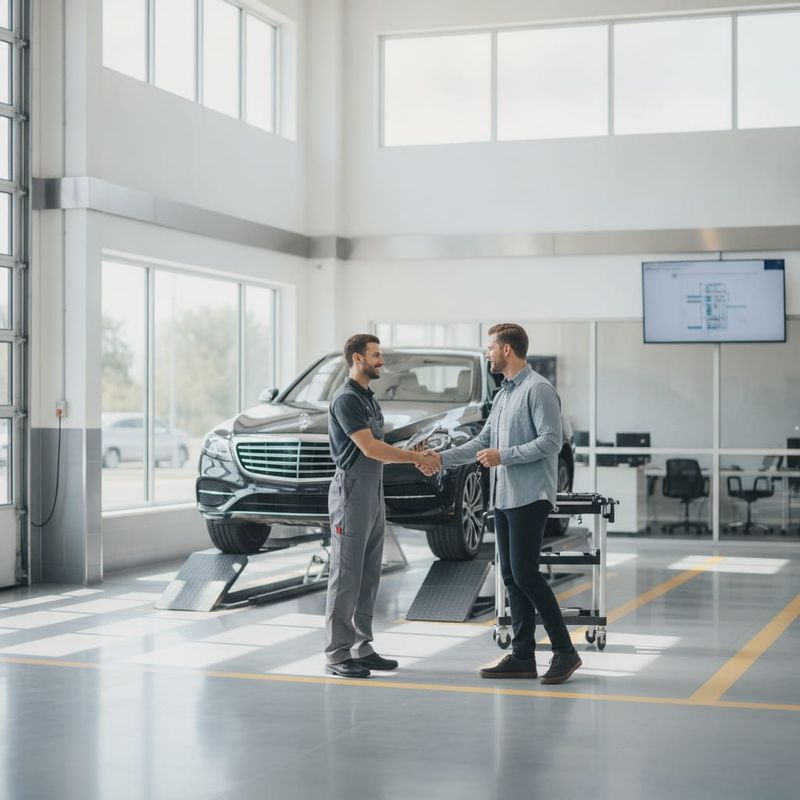
The group booked about 38% more confirmed service visits month over month, and its no-show rate dropped from near 20% toward 12-13%. The lever was simple: AI confirmed every appointment, sent reminders, and offered to rebook anyone who could not make it. Fewer empty bays meant more billable hours from the same schedule. The reminder work ran automatically, day and night.
The size of that drop tracks the research on reminders. A study in the American Journal of Medicine found automated reminders lifted attendance by about 11%, and two-way reminders that let people confirm or reschedule performed roughly 23% better than one-way messages.
That matters because missed service work carries a hard price. Industry figures compiled by UseFlai attach a real dollar cost to every missed call and no-show in a service department, month after month. The group used AI appointment setting to confirm, remind, and offer a quick reschedule, so open slots got refilled instead of sitting empty.
Want to see what full bays are worth at your store? Run the numbers with our ROI calculator before you change a thing.
4. What did after-hours capture add?
After-hours coverage turned out to be the group's biggest hidden win. Roughly 30% to 50% of dealership calls come in outside business hours, and most stores let them ring out. The AI answered nights, weekends, and holidays, booking test drives and service slots while the doors were locked. Those were leads that used to vanish before anyone saw them.
The after-hours gap is real. Callers who reach a closed showroom usually hang up instead of leaving a message, and those late callers are often the most serious buyers.
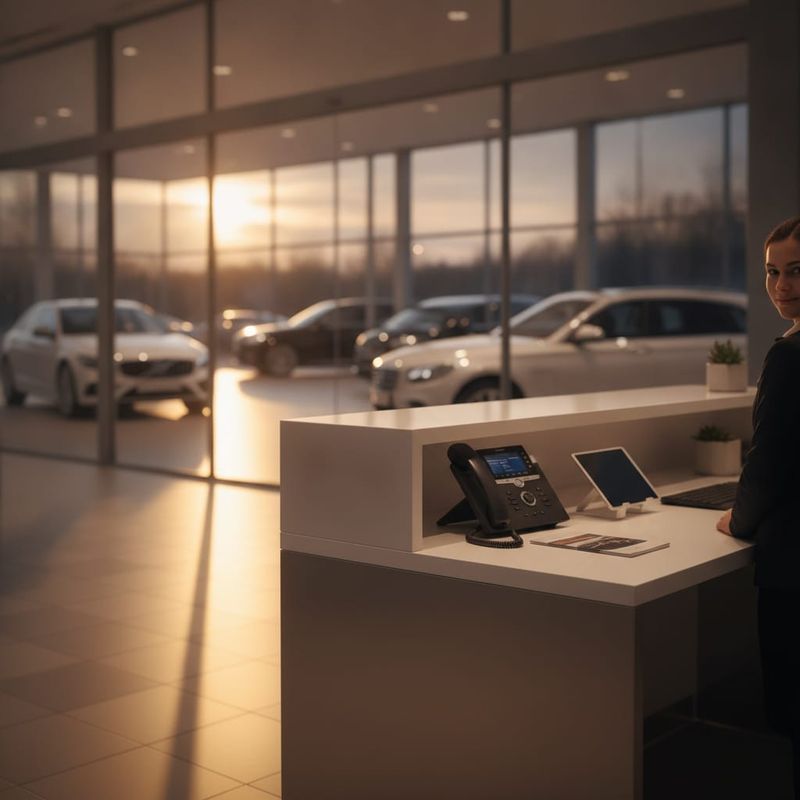
Because the AI logged and routed every one of those calls into the group's tools, nothing slipped through. That routing ran through the same workflow used to connect TopCalls to your tools that the day team already relied on. Morning staff came in to booked appointments and qualified leads instead of a full voicemail box and a list of numbers to chase.
5. What was the payback versus a bigger BDC?
Faster than hiring. A business development center rep runs roughly $60,000 a year fully loaded and works business hours only. TopCalls covered the same outreach and phone work at $0.35 per minute, all-inclusive, running 24/7. At the group's call volume, the coverage paid for itself within a few weeks, and it never called in sick or quit.
The salary math is public. Salary.com puts an automotive BDC representative's base pay at $37,575 to $51,554, before benefits, taxes, and management overhead push the loaded cost higher. One rep also covers one shift. The AI covered every shift, every rooftop, at once.
For the group, that meant running outbound the way a much bigger team would, without adding payroll. Its sales acceleration work scaled with demand instead of headcount, and the cost tracked actual minutes on the phone rather than a fixed salary that burns whether the phones ring or not.
| Metric | Before | After |
|---|---|---|
| Avg lead response time | ~42 hours | Under 2 minutes |
| Sales leads with zero follow-up | 71% (industry) | Near zero |
| Service no-show rate | ~20% | 12-13% |
| After-hours calls answered | 0% | 24/7 |
| BDC cost model | ~$60K/yr per rep | $0.35/min all-in |
Where does AI calling not fit?
AI calling is not a fit for everything at a dealership. Price negotiation, in-person test drives, and tense complaint resolution still belong with a person who can read the room. The AI is best at the repetitive, time-sensitive work: instant callbacks, qualifying, confirming, and reminding. The group used it as the first touch and the safety net, not the closer.
The handoff rule was clear. The moment a buyer wanted to talk numbers or walk the lot, the AI booked the human and stepped aside. Stores that try to make AI close the whole deal tend to frustrate shoppers who want a real back-and-forth. Used as fast triage and reliable follow-up, it made the sales and service teams more productive, not redundant.
What this means for other dealers
The lesson is narrow and repeatable: speed and coverage were the whole game. The group did not buy a smarter pitch or a new CRM. It made sure every lead got a fast callback and every appointment got a reminder, around the clock. The technology was live in about two weeks, and the results showed up in the first month.
If your store loses deals to slow callbacks or empty service bays, that gap is fixable with the coverage you already wish you had. Talk to our team about a setup for your rooftops and see where the numbers land.
Frequently Asked Questions
Get AI calling tips in your inbox
No spam. One email per week with actionable sales automation tips.